SMITH, John H

ISBN 978-1-923443-02-0
PAPERBACK

ISBN 978-1-923443-45-7
HARDCOVER

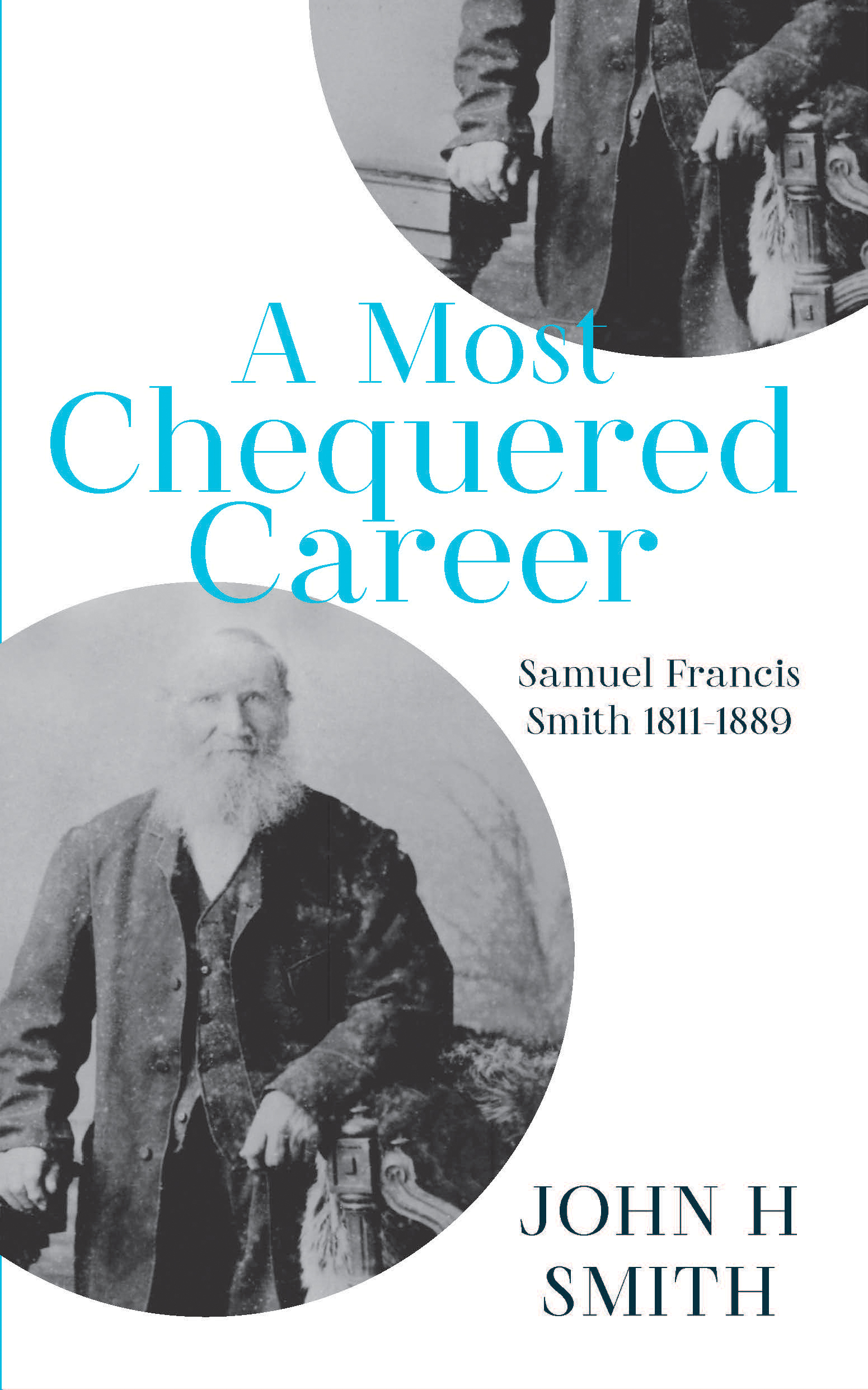
A Most Chequered Career


Samuel Francis Smith 1811-1899

The story of a man whose forgotten legacy and “chequered career” reveal a complex and intriguing life in early Australian history.

Because of ignorance or shame, Samuel Francis Smith’s name and infuence in the family he pioneered in Australia was not mentioned in the present generation. Thanks to his obituarist, who quipped he had “a most chequered career” the search to discover the what that meant brought to light a complex and intriguing life. This book tells Samuel’s story.

“A Most Chequered Career: Samuel Francis Smith 1811-1889 is an unusually moving and highly readable work of Australian history. It’s both a detective story and a triumph of compassion for a flawed individual, off ering profound insights into the lives of Australian colonists in the mid-nineteenth century. With a steady, compassionate gaze, John Smith breathes life into his errant great-great grandfather, reminding us that even our most flawed ancestors deserve to be honored.”
DR KAI JENSEN
Little Book of Big Book Marketing Tips book cover

About the Author


John H Smith, MA, PhD, ThM, is a writer and retired Uniting Church Minister who served in Western Australia (1974– 2000) and Mark the Evangelist, North Melbourne, Victoria 2000-2013.

He has published on WA Church History, the Church’s involvement in War, Monastic history, spirituality and theology, and contributed regularly to the North and West Melbourne News.
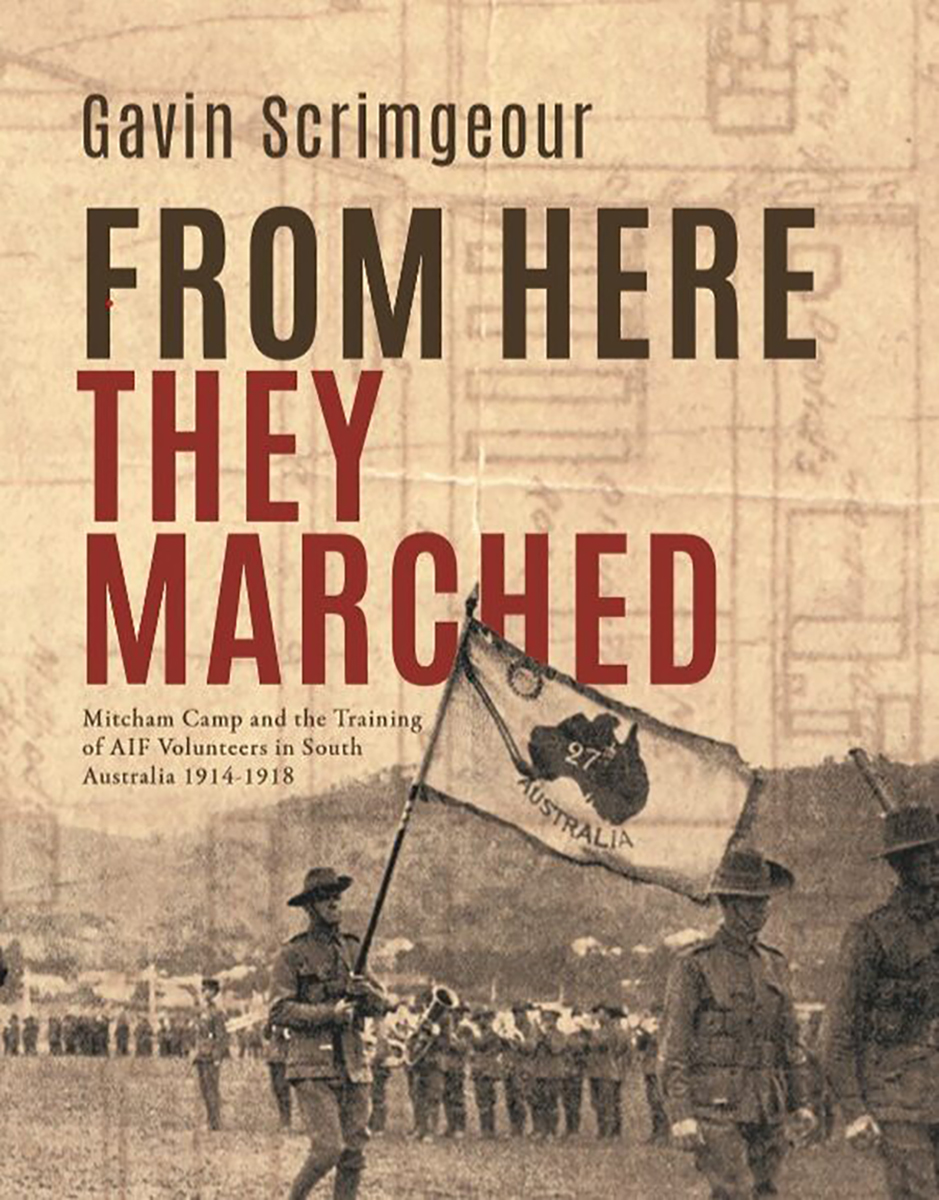
SCRIMGEOUR, Gavin

ISBN 978-1-922527-50-9
PAPERBACK

From Here They Marched

THE MITCHAM AIF CAMP, LOCATED IN WHAT IS NOW THE ADELAIDE SUBURB OF COLONEL LIGHT GARDENS, WAS THE TRAINING GROUND FOR THOUSANDS OF SOUTH AUSTRALIAN VOLUNTEERS WHO ENLISTED TO FIGHT FOR THE AIF IN THE FIRST WORLD WAR.

The camp, opened in bare paddocks in early 1915 after earlier camps had proved inadequate, overcame significant early difficulties to become what was proudly claimed to be ‘the model camp for the Commonwealth’.

From Here They Marched tells the story of the camp and how men from all walks of civilian life were brought together and prepared for the discipline of military life and for war.

It shows how the military authorities approached the task of also meeting the physical and social needs of as many as 4400 men at a time, all newly away from their home and families, and facing an uncertain future.

The surviving memories of those who passed through the camp, newspaper reports, the few remaining documents from the camp, and contemporary photographs are used to bring this vibrant, ever changing community of men to life.

The part played by other military training camps in and near Adelaide which were used for short periods during the war is also described. This includes the Morphettville and Ascot Park/Oaklands camps where the men of the earliest contingents did their training before taking part in the landings at Gallipoli.

Mitcham camp is an important part of the historic landscape of Adelaide, and the final chapter presents a case for the preservation of the memory of the camp in Colonel Light Gardens.

DANVERS, Ron

ISBN 978-1-923443-01-3
PAPERBACK

1837 Colonel Light’s Vision for Adelaide


Postulation and Testing a Preemptive Model Plan Adapted by Light for the Capital of South Australia

Colonel William Light’s history has been the subject of several admirable publications, but none have satisfactorily addressed the method he used in designing, surveying and laying out the plan of the City of Adelaide on the topography of the site chosen on December 31, 1836. Although evidence supports there being a preemptive Model Plan produced in London before that date, the connection has generally been missed on how such a plan, following the pattern of many colonial antecedents, could have been simply cut up to fi t the topography of the chosen site.

In postulating the form a Model Plan might have taken by reverse engineering the final plan, it becomes obvious that this was the method used by Light to lay out the plan of the Capital. It was not done in a week from January 3, 1837 as Stretton suggested, but by February 7 the basic cutting up had been formulated and sketched by Light from Green Hill.

About the Author


Ron Danvers LFRAIA is an architect living in the City of Adelaide in South Australia. He was instrumental in introducing urban design to South Australia, becoming the founding Chair of the State Urban Design Advisory Panel. Although he has undertaken major cultural heritage projects in Malaysia and Indonesia, most of his architectural work has been in the City of Adelaide.

He was awarded the RAIA Lachlan Macquarie Award and a National Trust Australian Heritage Award in 1987 for restoration of the Mortlock Library. In 2005, his architecture practice was awarded a UNESCO Asia Pacifi c Heritage Award for Cultural Heritage Conservation for heritage adaptation of the Treasury Buildings in Victoria Square. He was President of the RAIA SA Chapter 1988-90, representing the architectural profession at that time in the South Australian State Planning Review. He was granted the adjunct title of Associate Professor by the University of Adelaide.

ISBN 978-1-923443-01-3
PAPERBACK

1837 Colonel Light’s Vision for Adelaide


Postulation and Testing a Preemptive Model Plan Adapted by Light for the Capital of South Australia

Little Book of Big Book Marketing Tips book cover

Colonel William Light’s history has been the subject of several admirable publications, but none have satisfactorily addressed the method he used in designing, surveying and laying out the plan of the City of Adelaide on the topography of the site chosen on December 31, 1836. Although evidence supports there being a preemptive Model Plan produced in London before that date, the connection has generally been missed on how such a plan, following the pattern of many colonial antecedents, could have been simply cut up to fi t the topography of the chosen site.

In postulating the form a Model Plan might have taken by reverse engineering the final plan, it becomes obvious that this was the method used by Light to lay out the plan of the Capital. It was not done in a week from January 3, 1837 as Stretton suggested, but by February 7 the basic cutting up had been formulated and sketched by Light from Green Hill.

About the Author


Ron Danvers LFRAIA is an architect living in the City of Adelaide in South Australia. He was instrumental in introducing urban design to South Australia, becoming the founding Chair of the State Urban Design Advisory Panel. Although he has undertaken major cultural heritage projects in Malaysia and Indonesia, most of his architectural work has been in the City of Adelaide.

He was awarded the RAIA Lachlan Macquarie Award and a National Trust Australian Heritage Award in 1987 for restoration of the Mortlock Library. In 2005, his architecture practice was awarded a UNESCO Asia Pacifi c Heritage Award for Cultural Heritage Conservation for heritage adaptation of the Treasury Buildings in Victoria Square. He was President of the RAIA SA Chapter 1988-90, representing the architectural profession at that time in the South Australian State Planning Review. He was granted the adjunct title of Associate Professor by the University of Adelaide.

Julie and Carmel

Little Book of Big Book Marketing Tips book cover

SKU 2370001982710
HARDCOVER

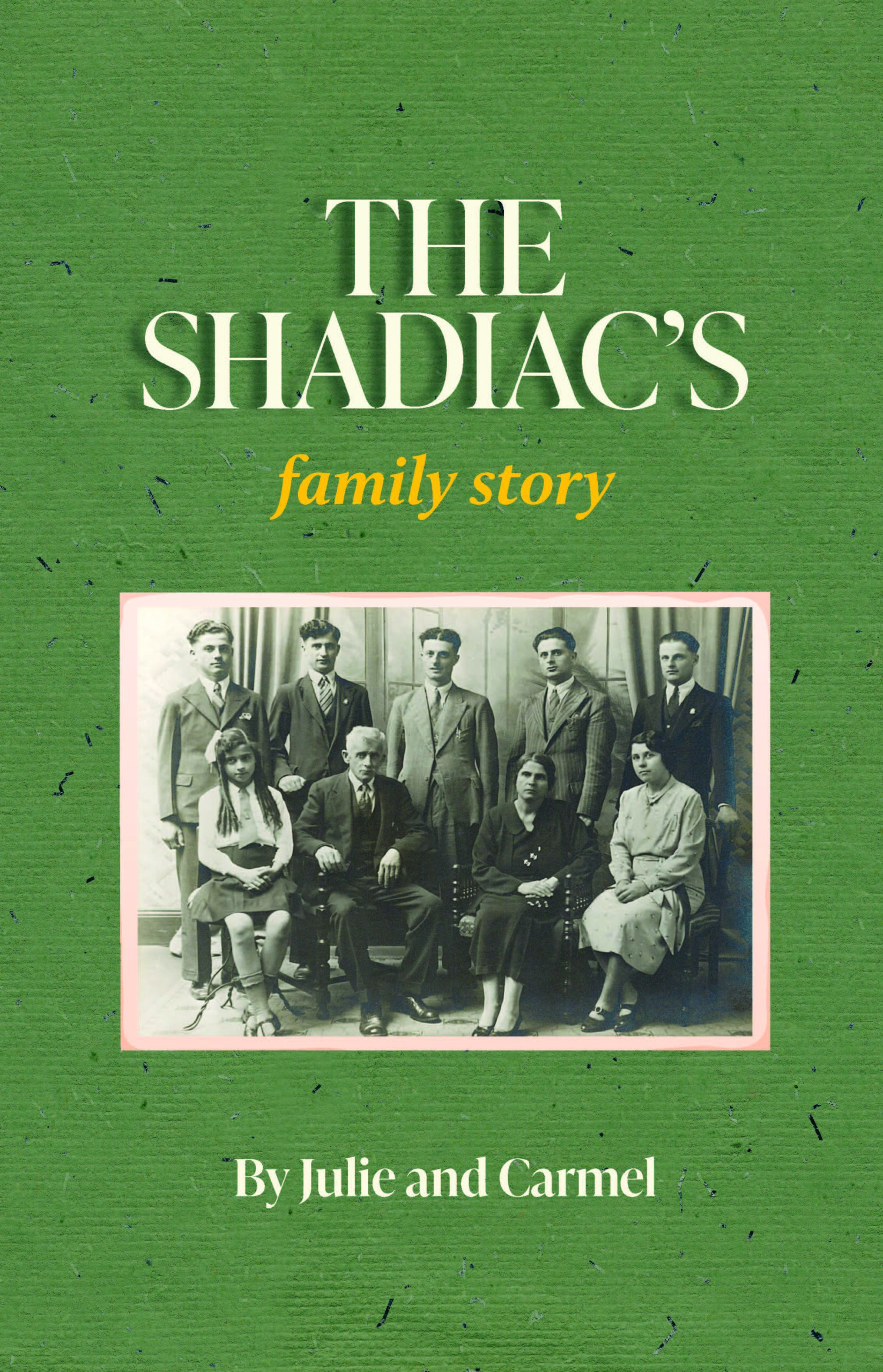
The Shadiac’s Family Story


The Shadiac’s Family Story by Julie Quigley (nee Shadiac)
told in her own words to Carmel Shadiac during 2022 and 2023.
This story is dedicated to Barakett and Kinsolia
and their beloved children for their determination and hard work
on their journey from Benache to Mile End.

MAHAMOOTH, Kenneth

ISBN 978-1-923333-49-9
PAPERBACK

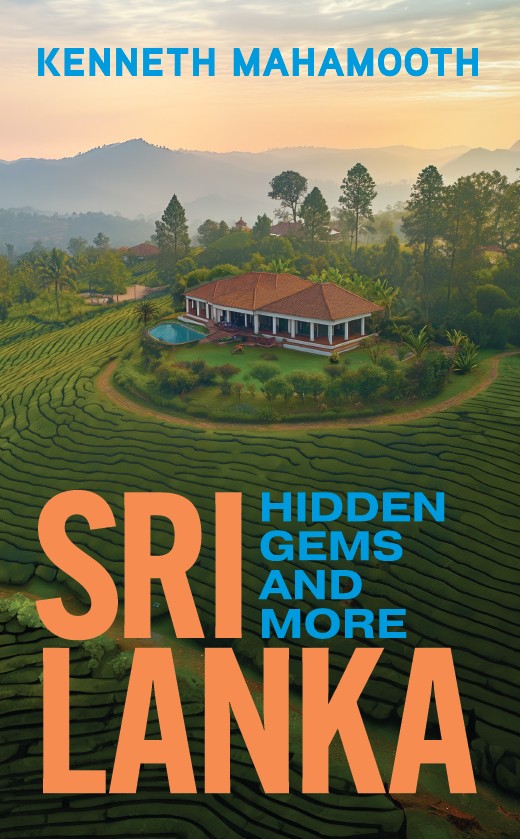
Sri Lanka

Hidden Gems And More

Sri Lanka, a magical island not far from the southern tip of India has enchanted travellers and merchants since ancient times. Marco Polo the 13th century Venetian explorer described the country then known as Ceylon as being of the highest quality and most pleasing island in the world. Sri Lanka has had its share of travails over the years. A 26 year civil war which finally ended in 2009 with the defeat of the ‘Tamil Tiger’ rebels, a devastating tsunami on boxing day 2004, two armed insurrections and a governance system since independence from the British Empire in 1948 that has not been able to extract the true potential of the land and its resourceful people. The country lacks economic development, a 21st century infrastructure, adequate foreign currency reserves and a comfortable standard of living for a majority of its citizens. Poverty is widespread and growing. Sri Lanka needs to attract investment, both foreign and local. Tourism is one way forward due to the island’s beauty, wildlife and culture.

My book is intended to pique the curiosity of modern-day travellers who would enjoy the many aspects of this diverse and interesting island nation which has so much to offer. Tourists can enjoy the many attractions and historic wonders of this resplendent isle, delve into its culture and ancient past and savour the nostalgia of Sri Lanka’s tea industry and lifestyle of the planters in an era gone by. The people of this enchanting yet troubled island deserve the prosperity and happiness which has eluded them so far.

About the Author


The author lives in Melbourne with his Colombian wife. He frequently travels to Germany to visit his daughter.

LEE, Warwick

Little Book of Big Book Marketing Tips book cover

ISBN 978-1-923523-62-3
PAPERBACK

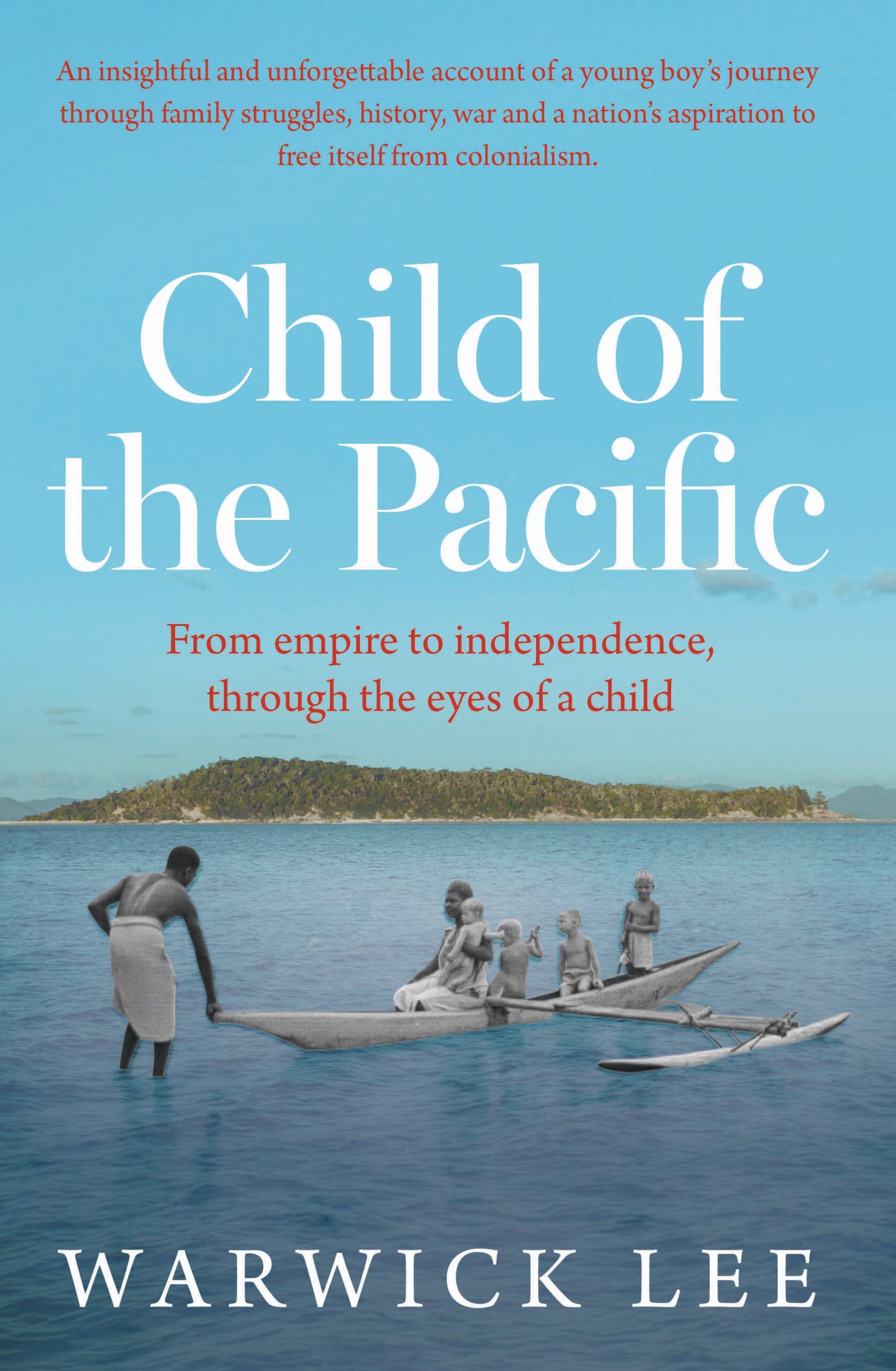
Child of the Pacific

From empire to independence, through the eyes of a child

An insightful and unforgettable account of a young boy’s journey through family struggles, history, way and a nation’s aspiration to free itself from colonialism.

Bougainville, Papua New Guinea, was a contested island for nearly a century. Germany, UK, Japan and Australia each had interrupted periods of administration, influence and development of the island and region around it.

In 1975, Warwick witnessed the country’s shift into independence.

As a young boy, he watched the place he’d grown up in change for the better. For the first time, its people felt they could once again be at the forefront in determining their own destiny, and the excitement and optimism at such a prospect was almost tangible.

This one of a kind memoir is told through the memories and records of a boy who lived through one of the most major changes in PNG history, following him from his formative years to the country’s 50 year anniversary of independence.